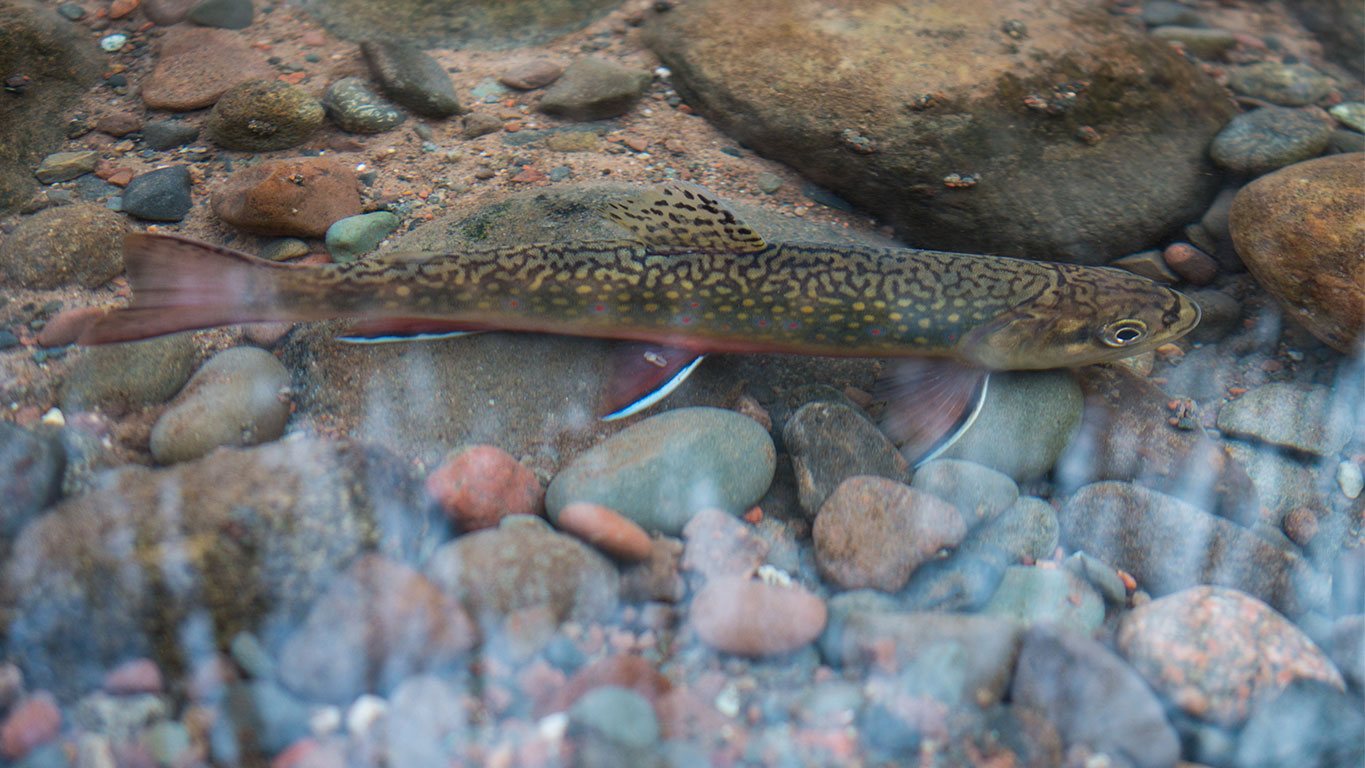
Brook Trout Fishing Above the Barriers
I’m sure many of you started out trout fishing in smaller creeks and rivers for brook trout, rainbows, and browns. I took the opposite approach, diving into steelhead fishing before I even knew there was an opportunity to fish for brook trout above the barriers on the same north shore tributaries I had been fishing all spring and fall. If you’re new to trout fishing, brook trout fishing can be a great experience for targeting fish with a variety of different flies and exploring new water.
Although many of the flies and techniques are the same as steelhead fishing, fishing for brook trout is much more of an adventure—at least it can be, since these trout can be found in streams that run right through north shore towns like Duluth. However, the true experience of brook trout fishing comes from exploring the northland in search of big brookies that see little to no pressure from other anglers. The amount of fishable water on the north shore of Lake Superior is pretty substantial and allows for years of exploring new waters in search of summer brook trout on the fly.
For those of you that are newer to trout fishing and want to give brook trout fishing a try, I have a few tips that should help you get started and help you find some productive water.
The gear:
When choosing a fly rod for any species, you want to consider the size of the fish you’re targeting and the size of the flies you’ll be throwing. This makes 3, 4, and 5wt rods great options for brook trout since many of the fish will be less than 12” (with a possibility of finding them in the mid to upper teens), and the flies you’ll use can easily be thrown on a rod of those weights. Next, you’ll need to decide on the rod length, which should be determined by the size of the river and the amount of overhanging branches that grab flies. Rods in the 7’ to 8’6” length are ideal for brushy areas, but standard 9’ or even 10’ rods have their benefits too. A standard 9’ 5wt or 4wt is hard to beat. Any reel will work, and your fly line should be a standard weight-forward floating line that matches your rod’s weight. I don’t always use a tapered leader, but when I do it’s when I’m fishing for brook trout. There are great fly fishing combos that take the guesswork out of your purchase. If you are looking for a great introductory fly fishing kit, then you should check out the 9’ 5wt Orvis Clearwater Outfit that comes with everything you need except the flies.
For brook trout, I recommend a 4x nylon tapered leader, roughly rod-length. Carry a spool of 4x nylon tippet and a spool of fluorocarbon tippet for nymphing. When it comes to flies, brook trout—especially in less pressured areas—are typically aggressive and will strike a variety of patterns. While matching the hatch is important at times, experimenting with different fly patterns can be very rewarding. For nymphing, pheasant tail or prince nymphs are reliable choices. If you prefer streamers, try a woolly bugger or muddler minnow—my personal favorite is the Intruder Bugger. Learn how to tie the Intruder Bugger. And don’t forget dry flies! A #14 caddis works well for many situations, or try a larger foam pattern like a Chernobyl ant to catch their attention. Because brook trout are fairly accessible and aggressive eaters, they can be vulnerable to overfishing. These factors—combined with their relatively slow growth rate and climate change impacting the cold water they require—make it important to practice safe fish handling and catch-and-release.
Finding Water:
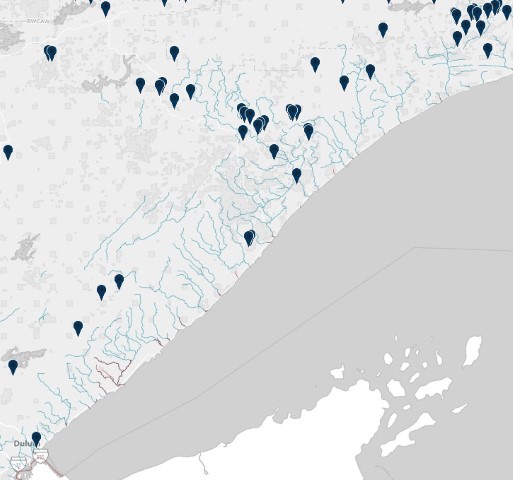
Finding water typically starts with the MNDNR Trout Stream Finder to get a broad idea of where to start. I then narrow down a river section using aerial imagery to find accessible stretches of water. These sections are considered “above the barrier” since they’re located upstream of barriers that stop Lake Superior’s anadromous fish. Then I pinpoint sections with converging streams and larger pools or bends that may hold good numbers of fish. Brook trout need cold water, and in midsummer when temperatures rise, they congregate in areas where water stays cooler. Once you’re on the water searching for productive spots, remember—wood is good, but the foam is home.
Share with a friend!
js-outdoors is a free resource for all.
Please consinder donating to keep this site ad-free!

![How To Tie An Intruder [video]](/images/how-to-tie-an-intruder.jpg)
![Steelhead In The Snow [video]](/images/steelhead-in-the-snow.jpg)